Top CHOOSE YOUR APOCALYPSE CompleteDoomsday Index What would the end of the world actually look like? Separate real risks from movie plots, then see which preparations still make sense.
THE END OF THE WORLD, EXPLAINED How could the world end? Asteroid impact. Solar storm. Supervolcano. Pandemic. Megaquake. Grid collapse. Some threats are scientifically possible, some are serious regional hazards, and one belongs strictly in the movies. Open a scenario for the reality check, likely consequences, and the useful plan.
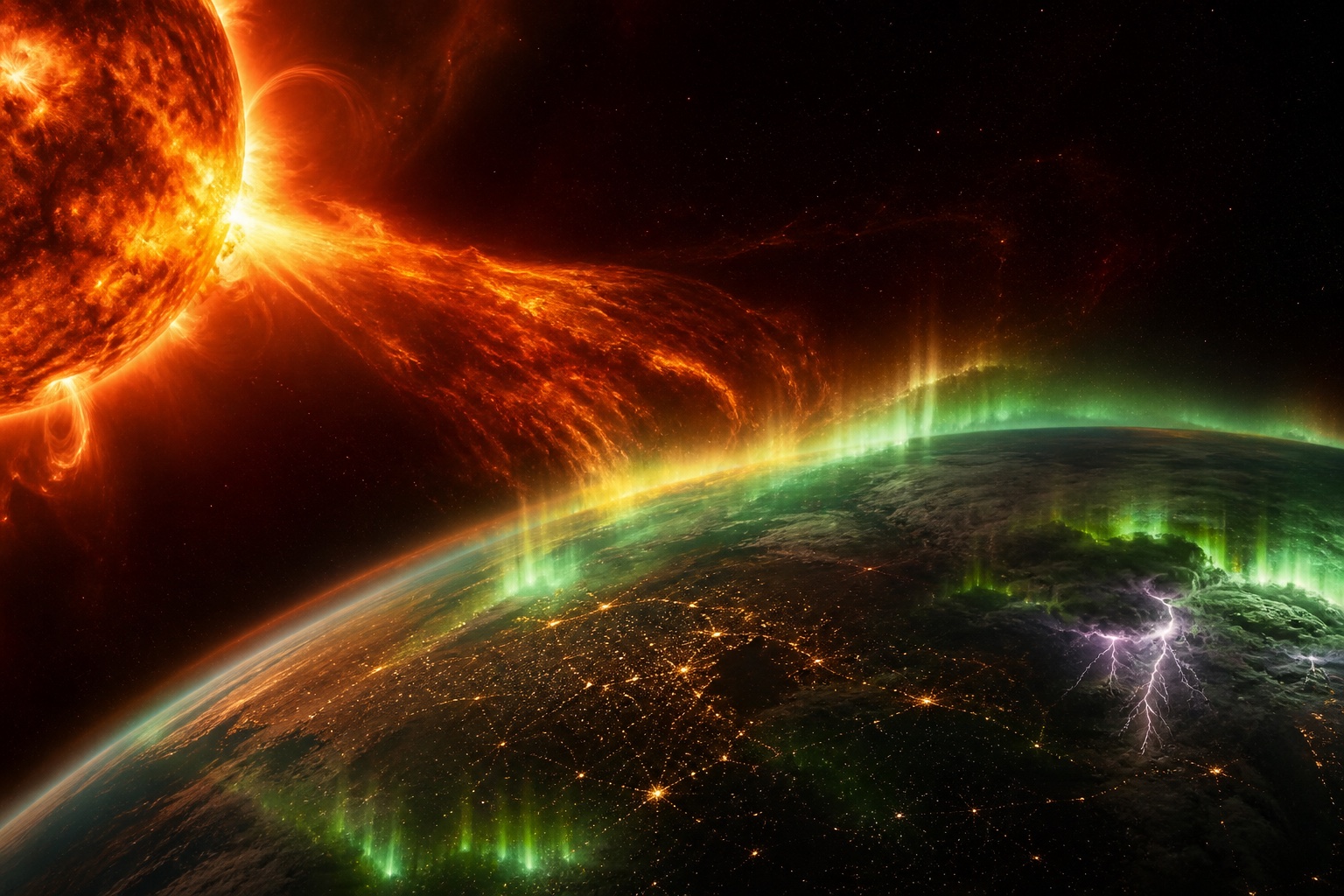
REAL RISK · RARE A powerful solar eruption could disrupt satellites, radio, navigation, and portions of the electrical grid.
REALITY CHECK Not an extinction event—but a serious infrastructure problem worth planning around.
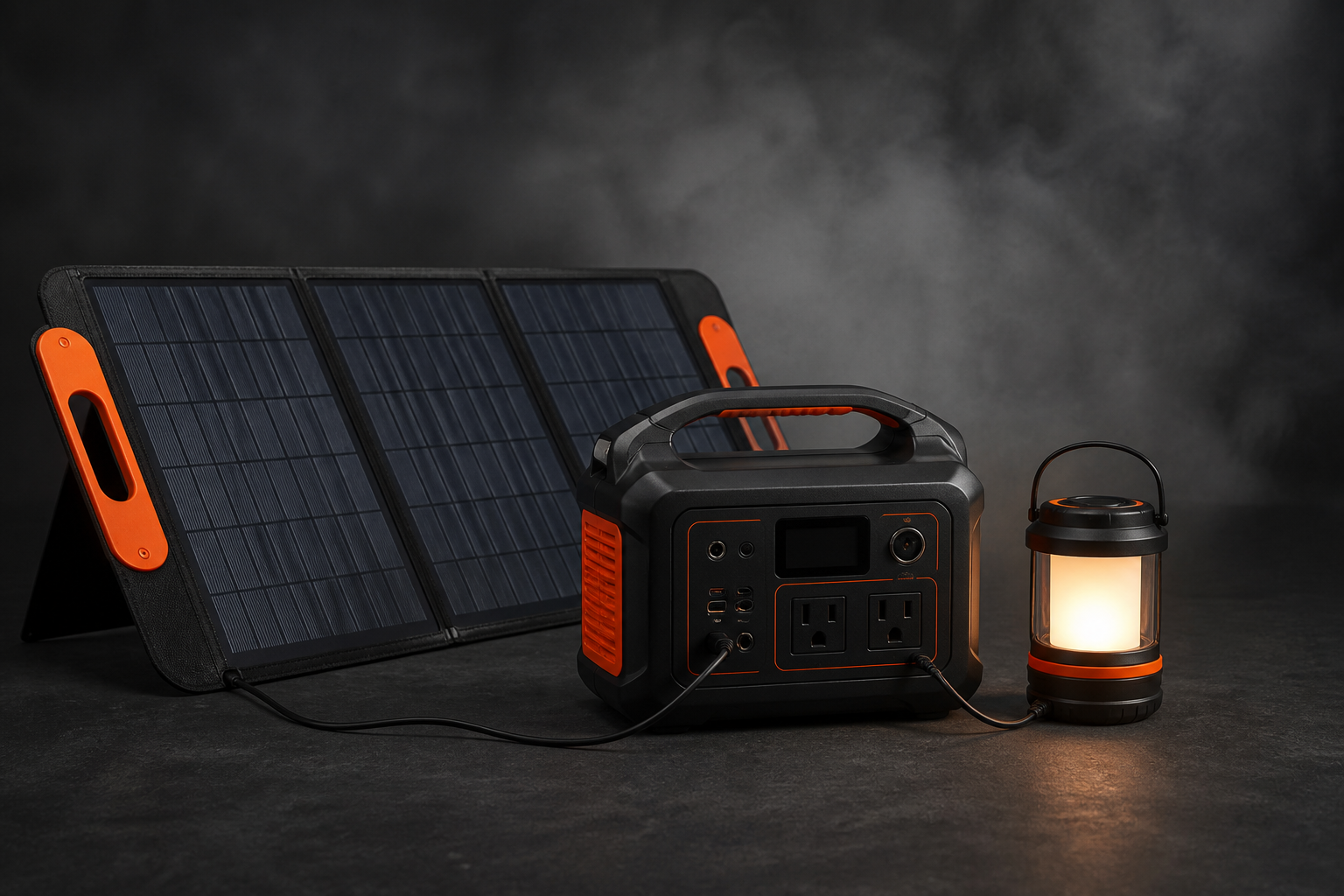
THE USEFUL PLAN Backup power, radio, cash, water, and an offline household plan.
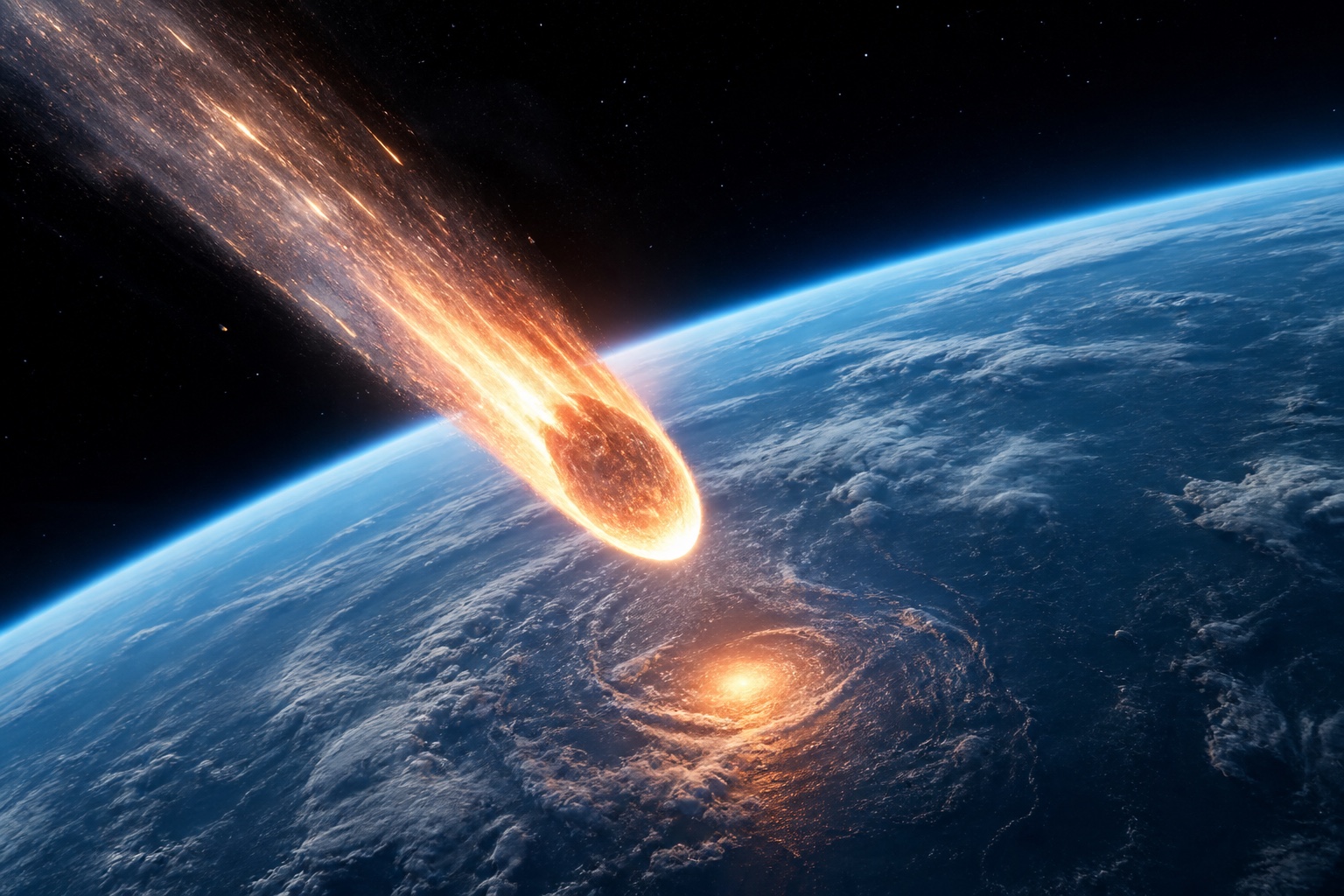
Open the full scenario VERY RARE A large near-Earth object could cause effects ranging from regional devastation to global climate disruption.
REALITY CHECK Space agencies actively track known near-Earth objects. The dramatic version is possible, but extremely uncommon.
THE USEFUL PLAN For smaller regional events, the useful basics overlap with evacuation and extended-outage planning.
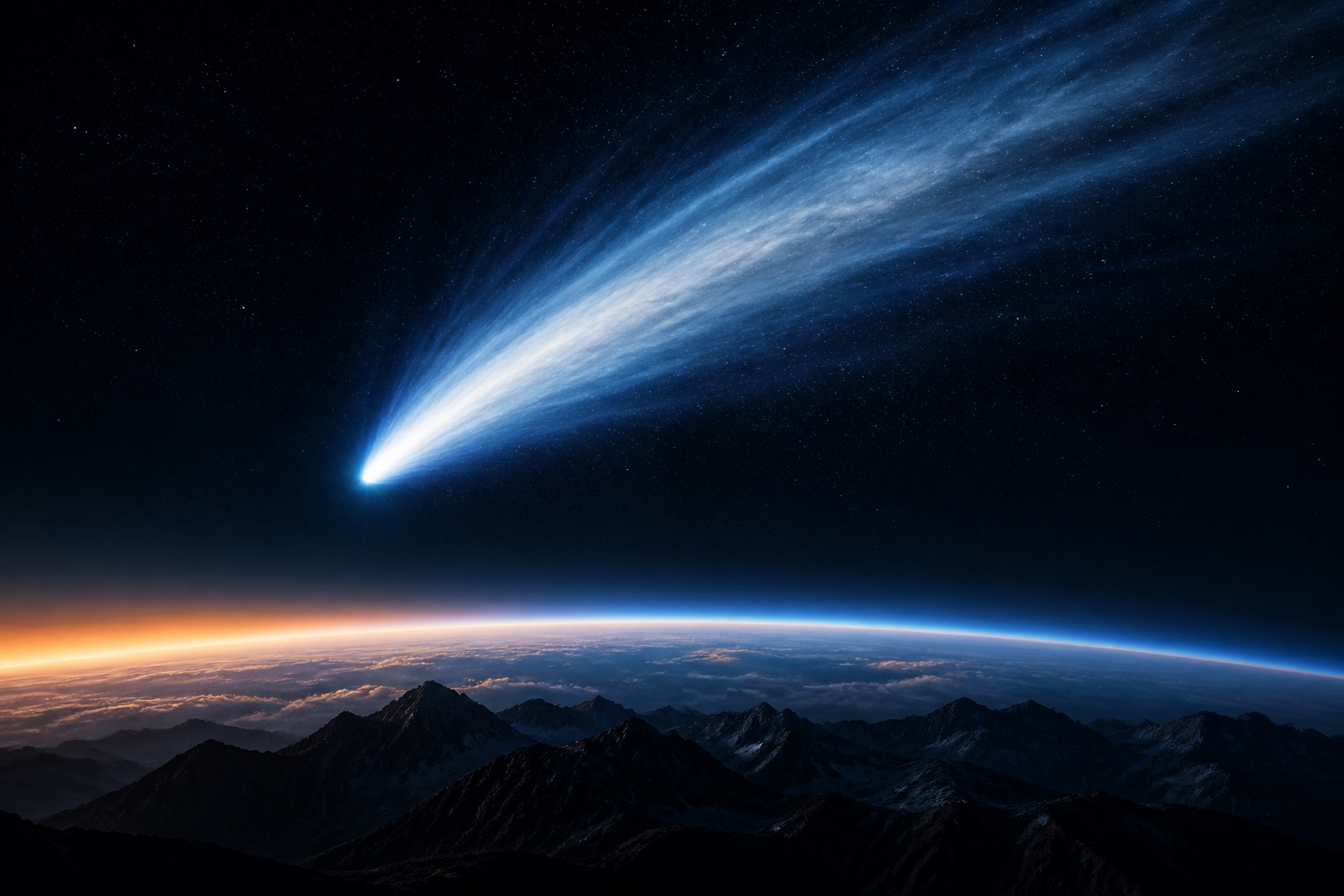
Open the full scenario EXTREMELY RARE A long-period comet can be harder to spot far in advance than many asteroids—and makes excellent movie material.
REALITY CHECK A civilization-ending collision is possible in principle, not a practical everyday threat.
THE USEFUL PLAN There is no special comet shopping list. Build general resilience and enjoy the telescope.
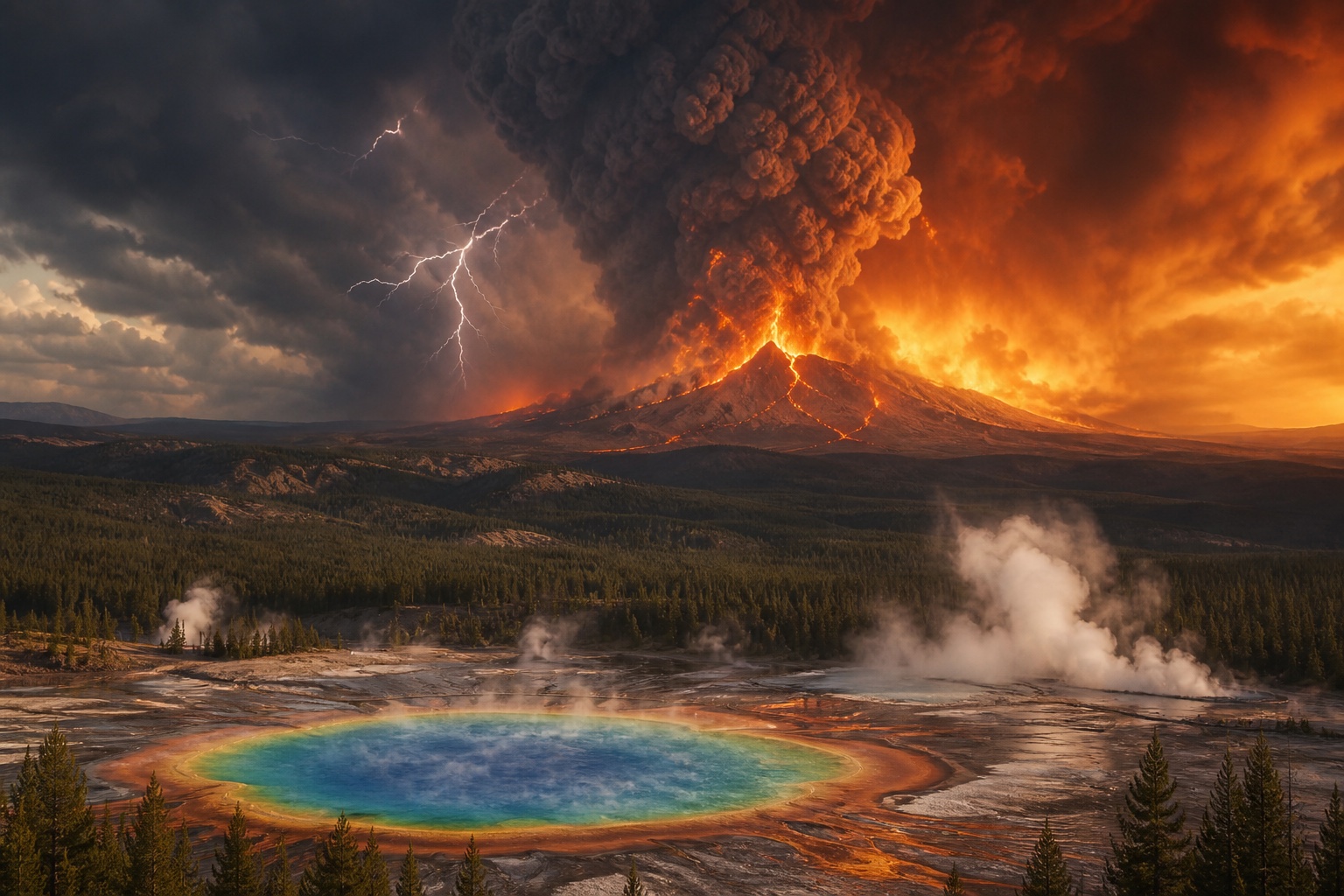
Open the full scenario EXTREMELY RARE A very large caldera eruption could spread ash widely and disrupt transportation, agriculture, and climate.
REALITY CHECK Yellowstone is closely monitored. Popular “overdue eruption” claims misrepresent how volcanoes work.
THE USEFUL PLAN Ash protection, indoor air planning, stored water, food, and official evacuation guidance.
Open the full scenario REGIONALLY PLAUSIBLE Movement along major plate boundaries can produce destructive earthquakes and, offshore, dangerous tsunamis.
REALITY CHECK Tectonic plates do not suddenly slide the whole crust at once, but major regional events are real.
THE USEFUL PLAN Secure heavy objects, practice drop-cover-hold, map tsunami zones, and keep a go-bag.
Open the full scenario SLOW PROCESS Earth’s magnetic field has reversed many times over geologic history, with the poles trading magnetic direction.
REALITY CHECK This is not a sudden physical flip of the planet and is not known to trigger instant global destruction.
THE USEFUL PLAN No special “pole shift” kit is warranted. Ordinary outage and communication readiness remains useful.
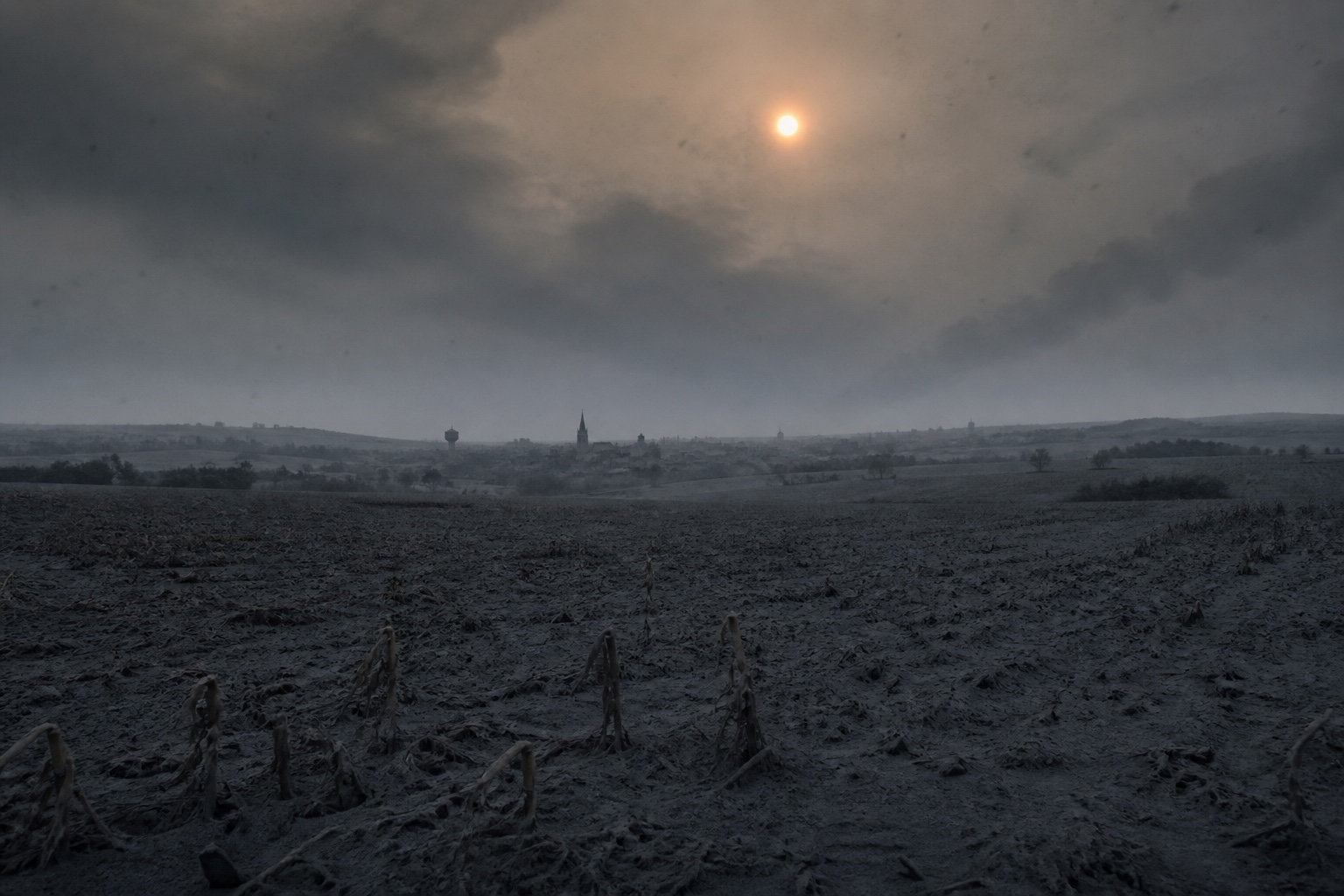
Open the full scenario EXTREMELY RARE A sufficiently enormous eruption could inject material high into the atmosphere and temporarily cool the climate.
REALITY CHECK The global food-system consequences matter more than lava reaching every doorstep.
THE USEFUL PLAN Food-system resilience, clean air, safe water, and reliable public information.
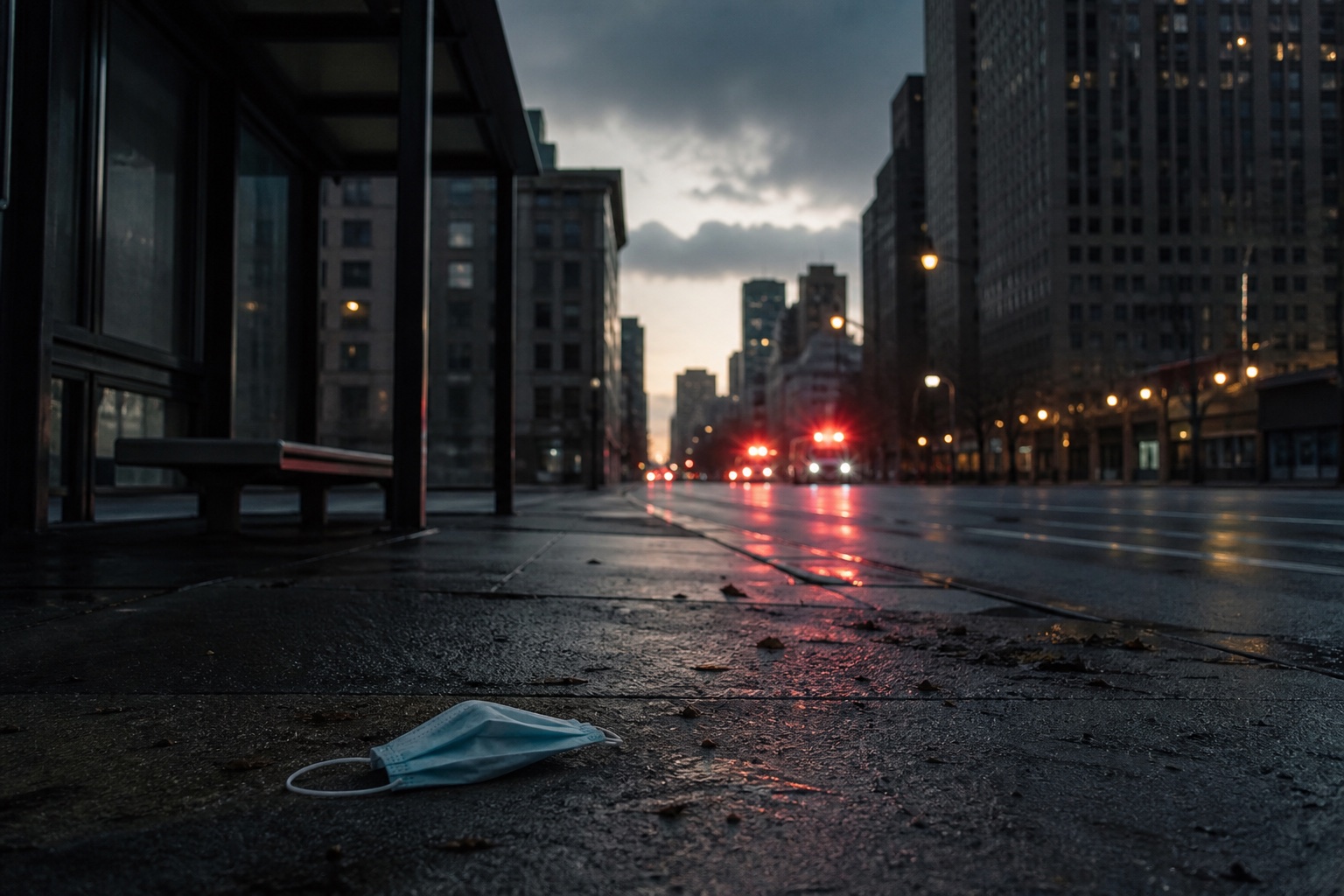
Open the full scenario RECURRING RISK A fast-moving infectious disease can strain healthcare, supply chains, workplaces, and household routines.
REALITY CHECK This is less cinematic than an asteroid—and much more relevant to real preparedness.
THE USEFUL PLAN Follow current health guidance; maintain medicine, hygiene, food, and household communication plans.
Open the full scenario VARIED RISK A cyberattack, cascading grid failure, or electromagnetic pulse could disrupt power, payments, communications, and logistics.
REALITY CHECK Grid and cyber failures are plausible; a widespread high-altitude EMP is far less likely. Their practical household consequences overlap.
THE USEFUL PLAN Backup power, printed contacts, cash, water, radio, and offline copies of essential information.
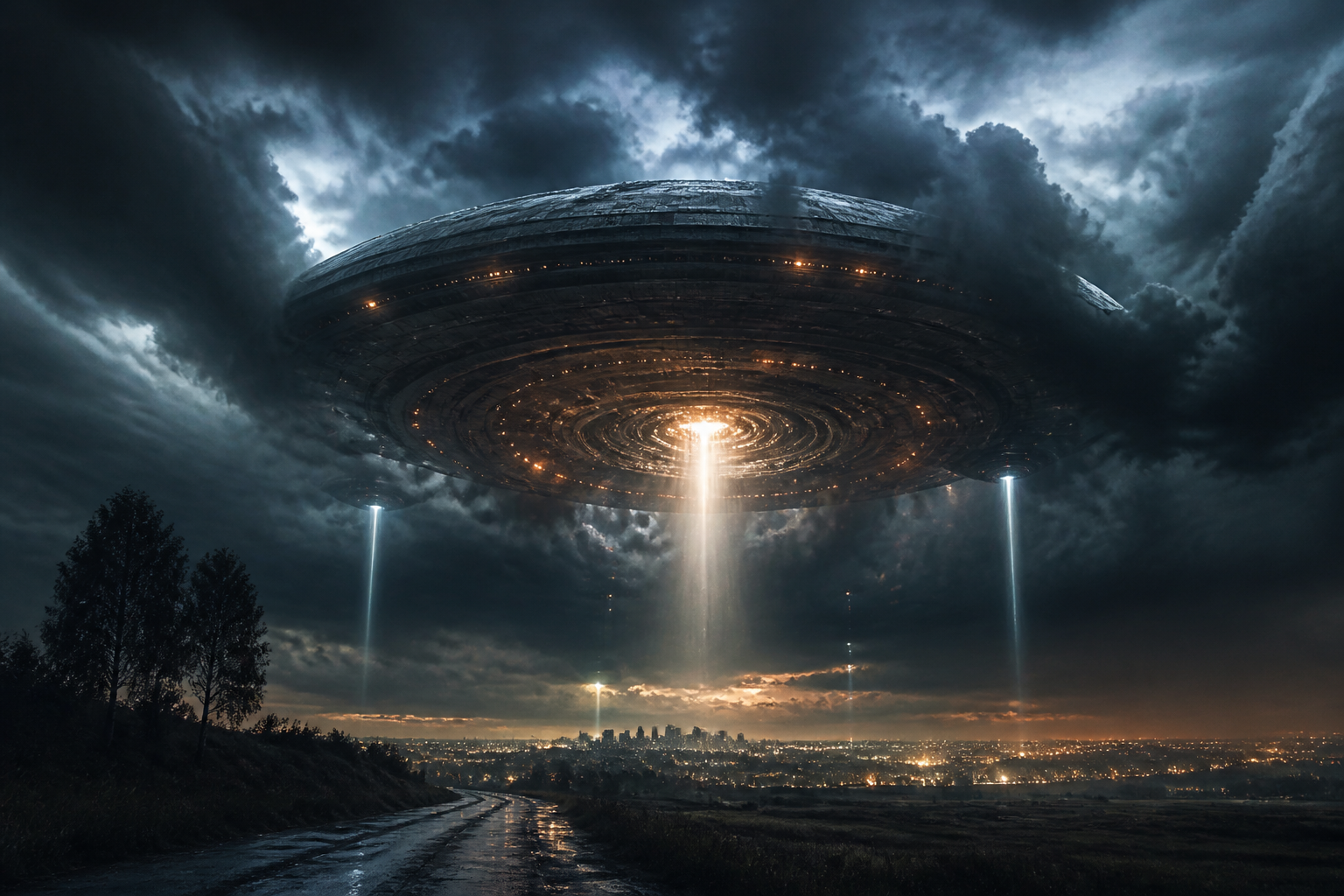
Open the full scenario MOVIE NIGHT Mysterious spacecraft fill the sky, communications fail, and humanity discovers it was definitely not alone.
REALITY CHECK There is no evidence that an alien invasion is approaching. This one belongs firmly in the fun, fictional wing of the doomsday index.
THE USEFUL PLAN No anti-alien gadgetry required. If the lights and phones go out, the ordinary outage basics still help.
Open the full scenario THE SURPRISING CONCLUSION Different apocalypse. Most sensible plans begin with water, power, light, communication, food, medicine, and knowing when to leave. Prepare for the overlap—not every screenplay.
Build a practical kit