Will Yellowstone erupt?
Eventually, some kind of activity is likely. But the giant caldera-forming eruption in viral videos is the least likely version—not an appointment on a geologic calendar.
Not every blast is a supereruption.
Yellowstone is an active volcanic and hydrothermal system. That does not mean every earthquake, geyser change, or steam explosion is magma rising toward a civilization-ending eruption.
Hydrothermal explosion
REAL · LOCALIZEDHot water can flash to steam and blast rock and debris near a thermal area. Dangerous up close, but not a supereruption or a nationwide ash event.
Lava flow
SMALLER · SLOWERUSGS says a lava flow is the most likely type of future volcanic eruption. Its most severe effects would be concentrated in and near Yellowstone.
Explosive ash event
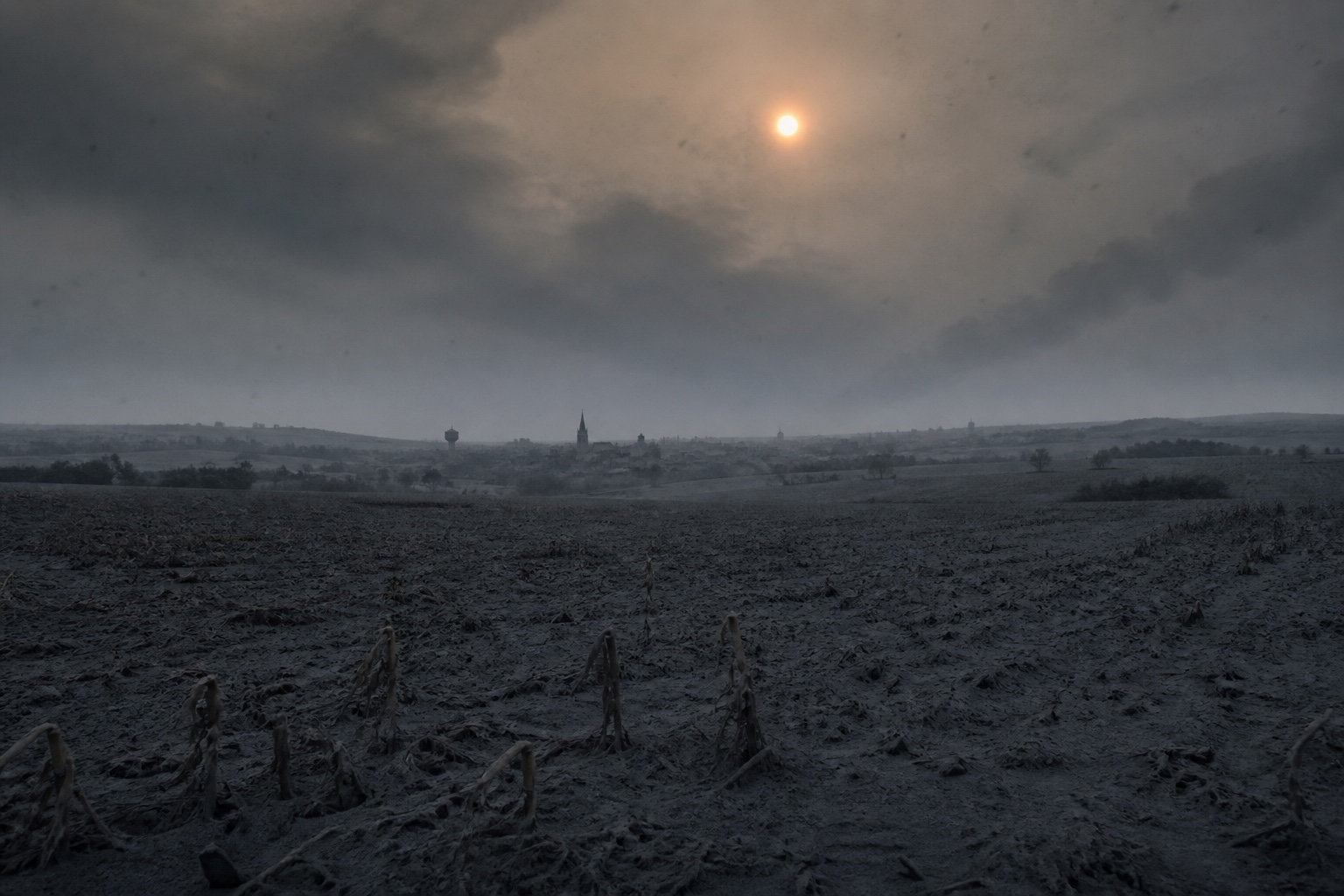
RAREA large explosive eruption could send ash downwind, close roads and airports, damage machinery, disrupt power, and strain water and food systems.
Caldera-forming eruption
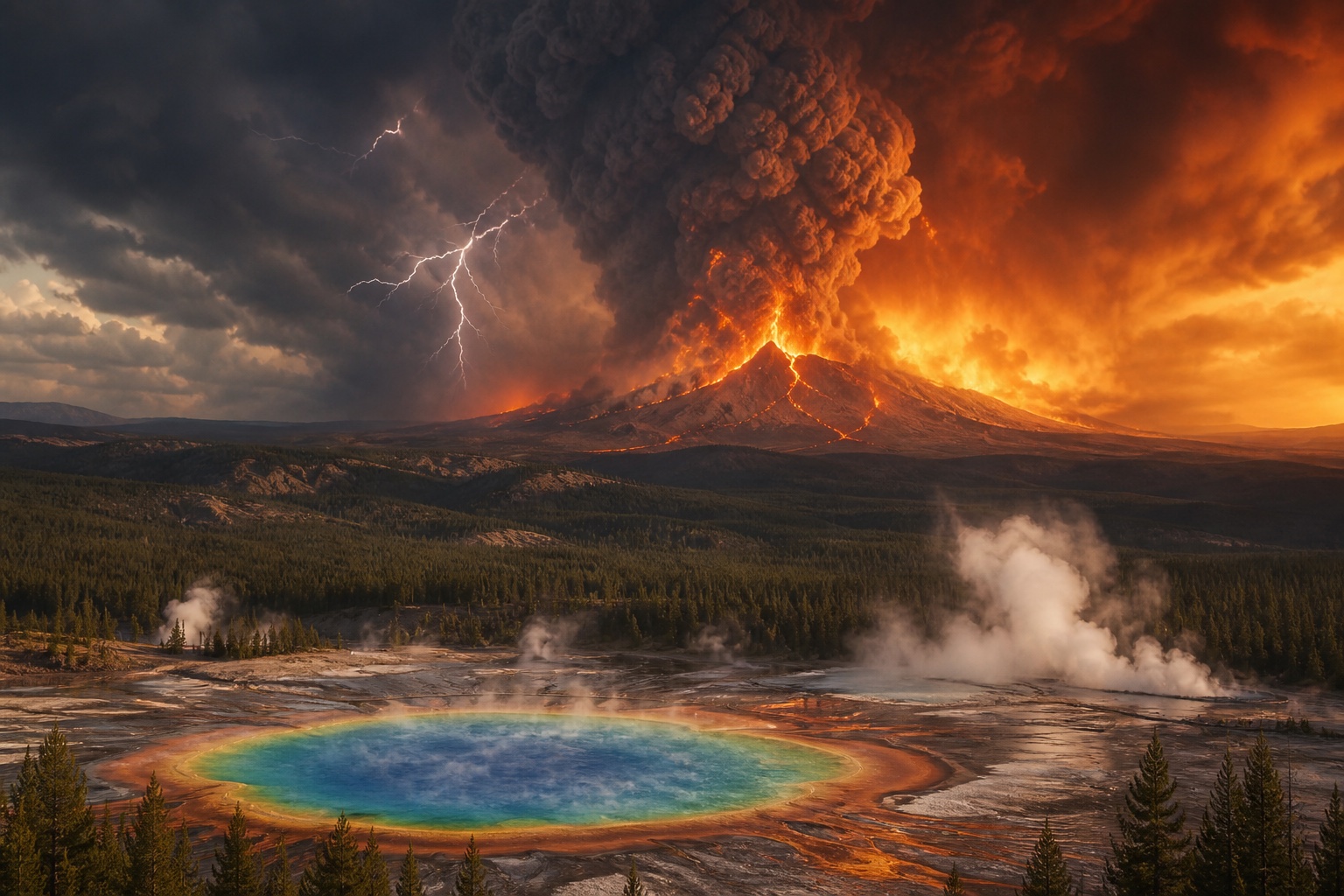
EXCEPTIONALLY RAREThe movie-scale scenario: devastating regional effects, ash across broad areas, and possible temporary global climate disruption. Possible in principle—not “due.”
 MONITORED AROUND THE CLOCK
Scientists watch the system—not the rumors.
The Yellowstone Volcano Observatory combines federal and state agencies, universities, and modern instruments. No single earthquake or patch of uplift proves an eruption is coming; scientists look for strong, sustained changes across several kinds of evidence.
Location, depth, size, swarms, and changing patterns beneath the region.
GPS and satellite measurements that reveal uplift, subsidence, and deformation.
Changes in gas chemistry, heat flow, and thermal areas that add context.
Geysers, groundwater, rivers, and hydrothermal activity across the caldera.
Prepare for ash—not lava at your front door.
Outside the immediate hazard area, volcanic ash and the failures it can trigger are the useful planning target. Fine ash can enter buildings and machinery, reduce visibility, irritate lungs and eyes, disrupt transportation, and contribute to power and water problems.
- 01Get inside. Keep ash outside.
Close doors and windows. Seal obvious gaps, limit outside air intake, and keep ashy shoes and clothing near one entry.
- 02Protect lungs and eyes.
A well-fitting, certified particle mask such as an N95 offers better protection than cloth. Wear goggles or glasses—not contact lenses—during ash exposure and cleanup.
- 03Park the car.
Ash reduces visibility and traction and can damage engines and filters. Avoid driving unless it is essential and officials say the route is safe.
- 04Cover the basics for several days.
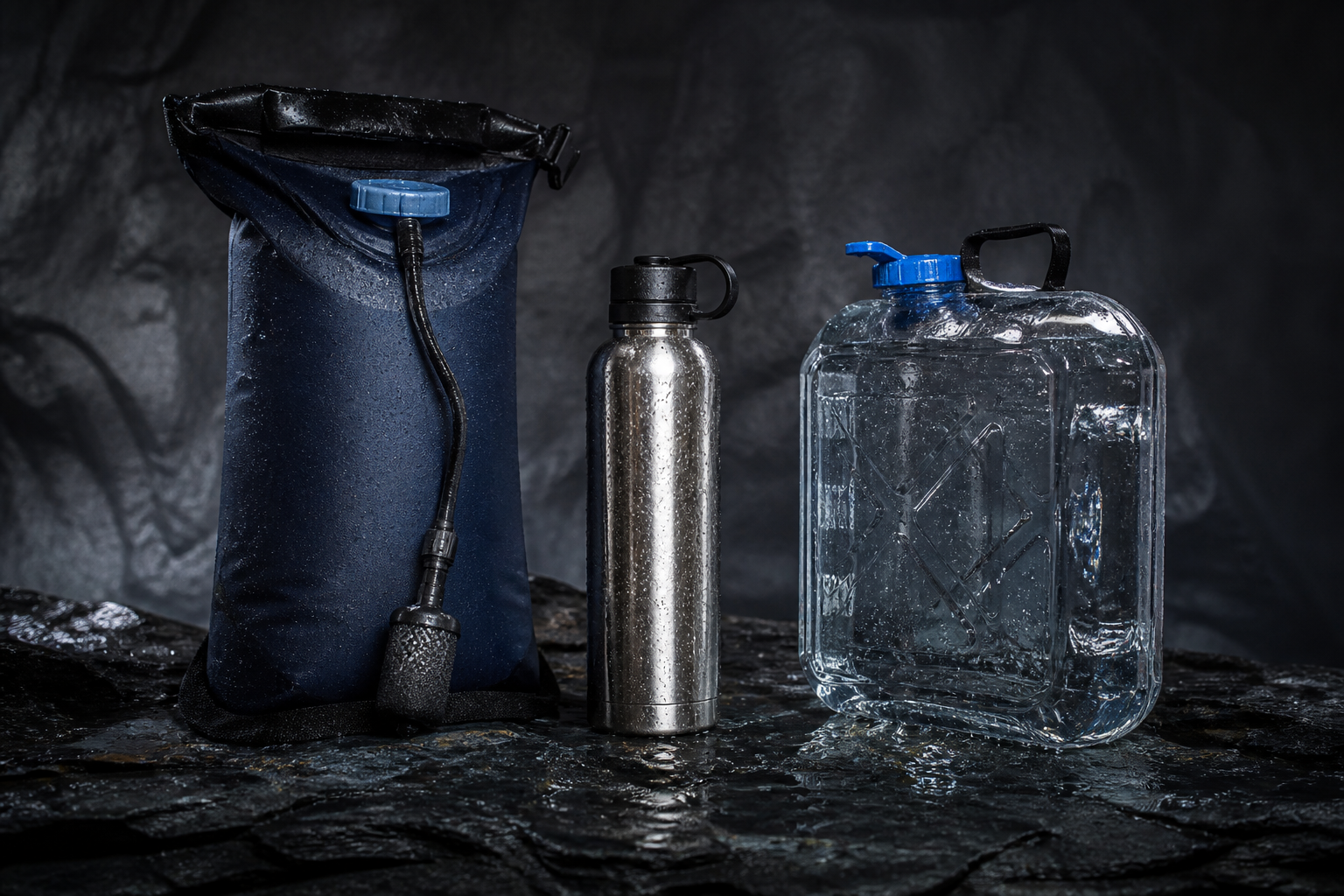
Store water, nonperishable food, medicine, radio power, lighting, spare filters, plastic sheeting, tape, and cleanup supplies.
If ash is falling or officials issue instructions, the real plume forecast and local emergency guidance outrank any general checklist.
Kill the myths. Keep the plan.
Is Yellowstone overdue for a supereruption?
No. USGS says volcanoes do not erupt on predictable schedules, and averaging the gaps between Yellowstone’s three largest eruptions does not create a meaningful countdown.
Would a Yellowstone eruption destroy the world?
No. A caldera-forming eruption would be an enormous disaster with widespread ash and possible temporary climate effects, but “the whole world ends” maps and headlines exaggerate what scientists say. The more likely future volcanic event would be much smaller.
What is the most likely eruption at Yellowstone?
USGS says that if Yellowstone erupts again, a lava flow is more likely than a supereruption. Hydrothermal explosions—driven by hot water and steam rather than rising magma—are another real, more localized Yellowstone hazard.
Would scientists know before a major eruption?
Scientists cannot name an exact date years in advance, but a major magmatic eruption would be expected to produce strong, sustained changes. YVO watches earthquakes, ground movement, gas, heat, and water chemistry to evaluate unusual activity.
How should someone prepare for Yellowstone ash?
Prepare for the consequences of ashfall: stay informed, keep ash out of the home, protect lungs and eyes, store several days of water, food, medicine, light, and radio power, and avoid unnecessary driving. Follow local officials because actions depend on where the ash is actually headed.
Official sources
Yellowstone changes. Use current observatory updates and emergency guidance instead of recycled countdown videos.