
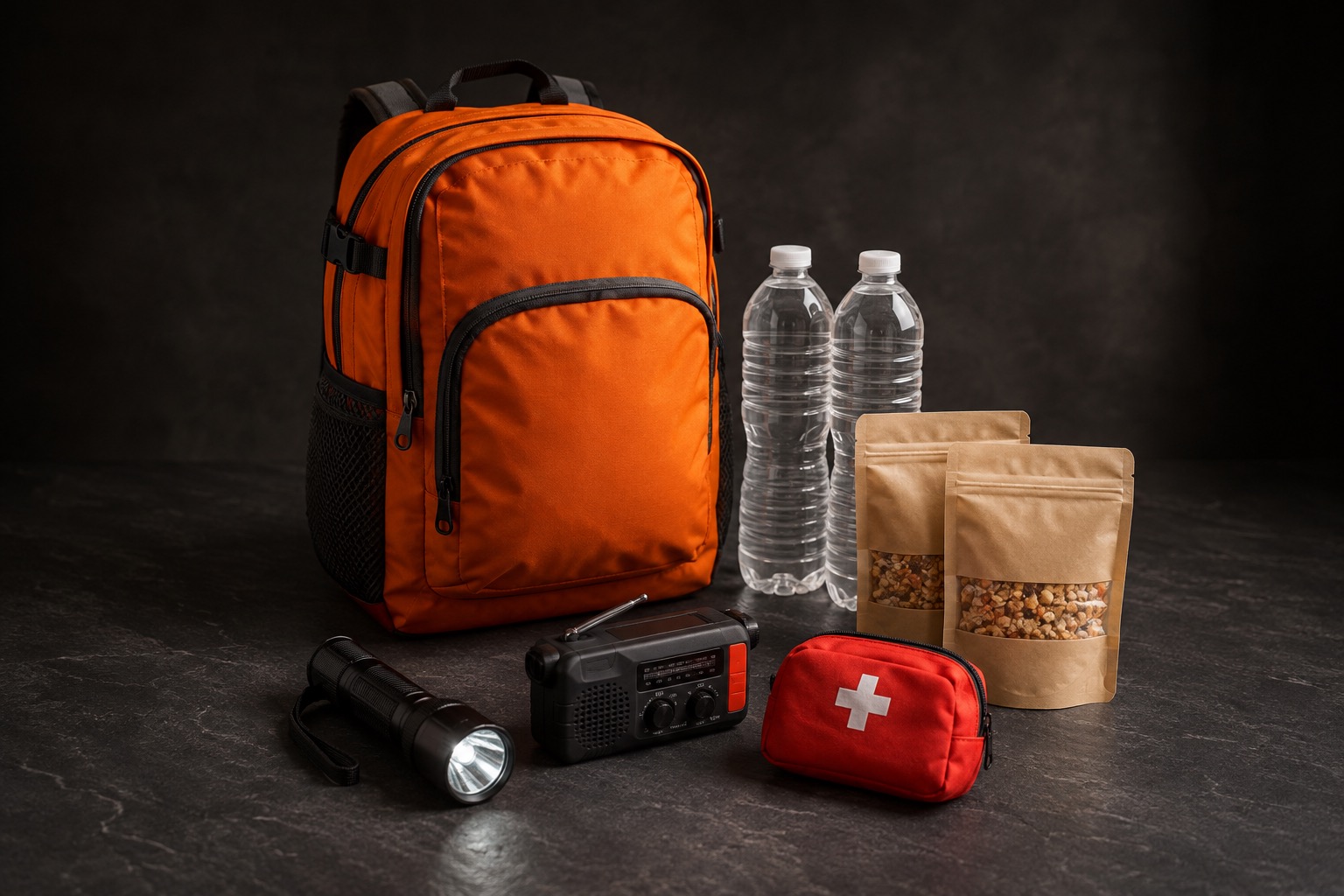
Cheap gear is not a complete emergency kit.
The products below cover useful tools and basic protection. A real 72-hour kit must also include enough safe water, food, necessary medicine, communication, documents, hygiene supplies, clothing, and household-specific needs.
Build the useful core first.
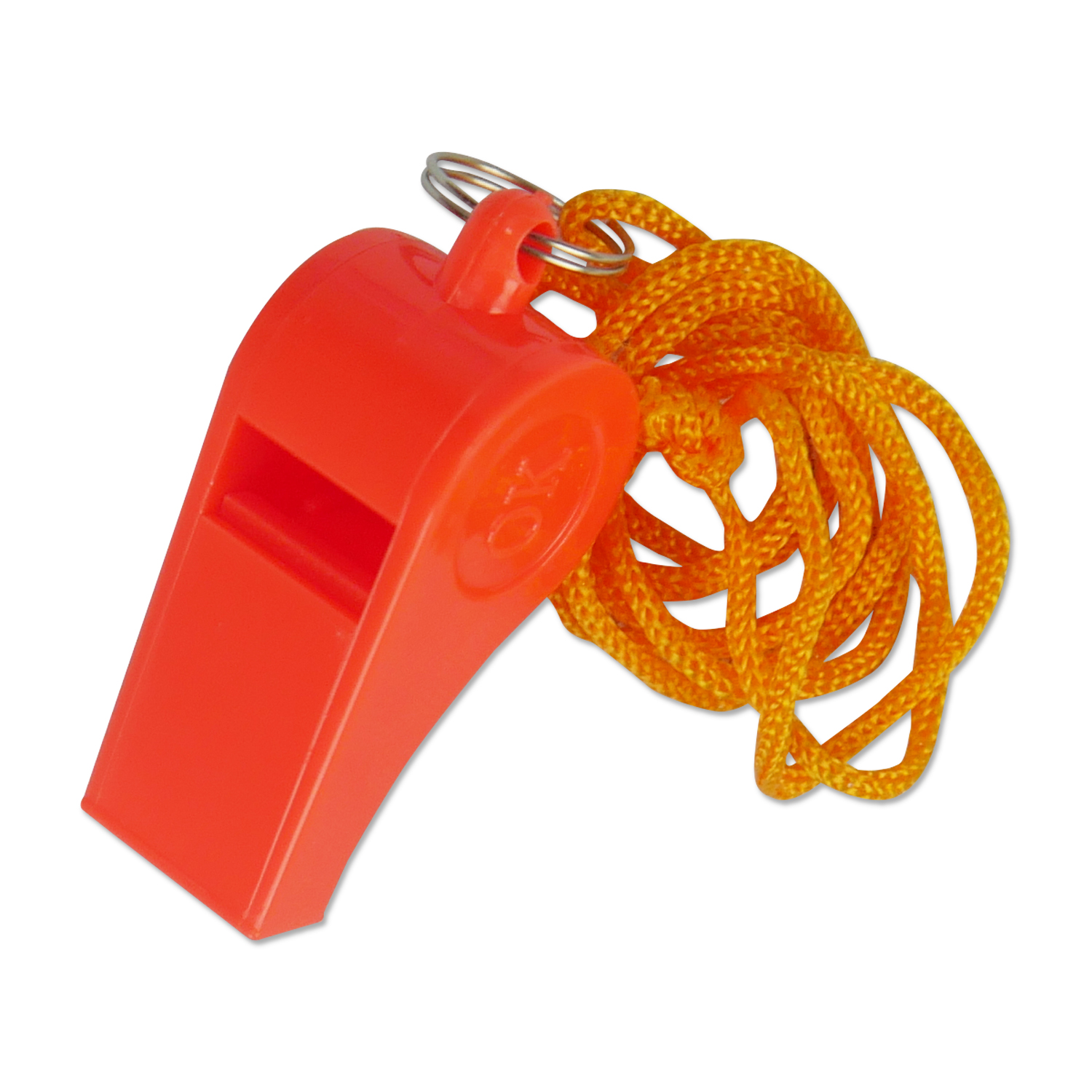
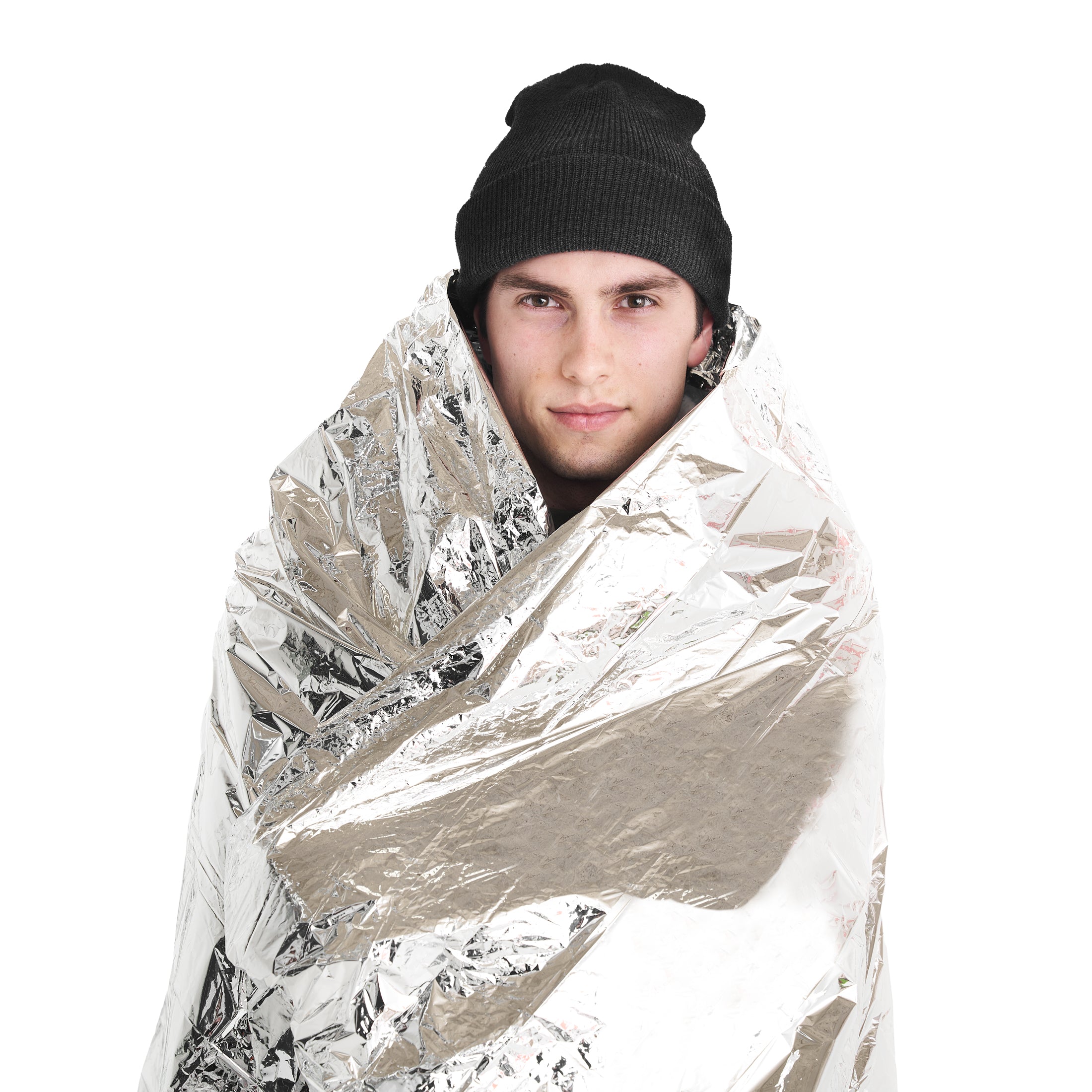
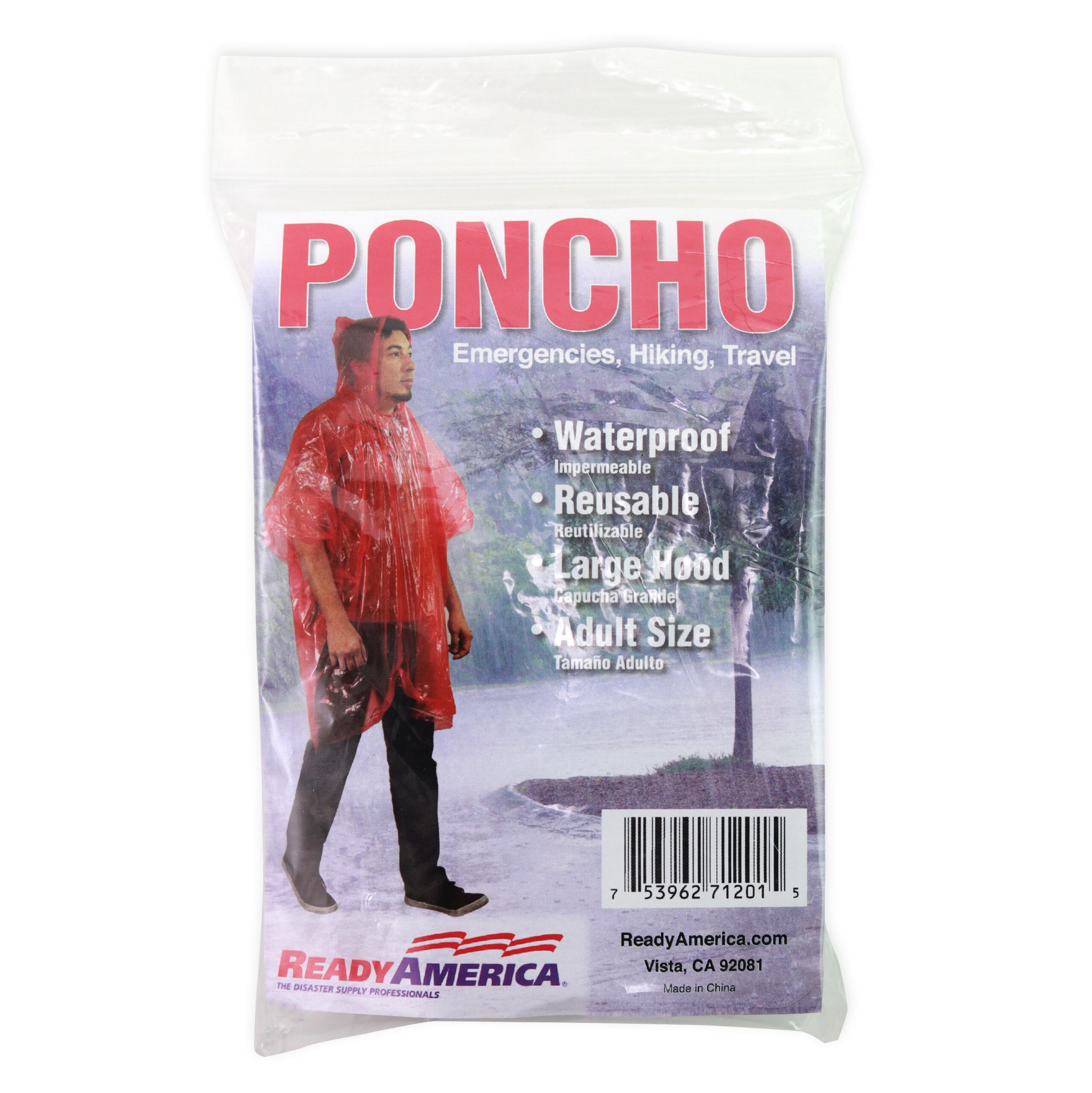
This first group gives one person a basic light, signaling, weather protection, warmth, gloves, cord, and a waterproof fire-starting backup. It is a starting layer—not the finished kit.
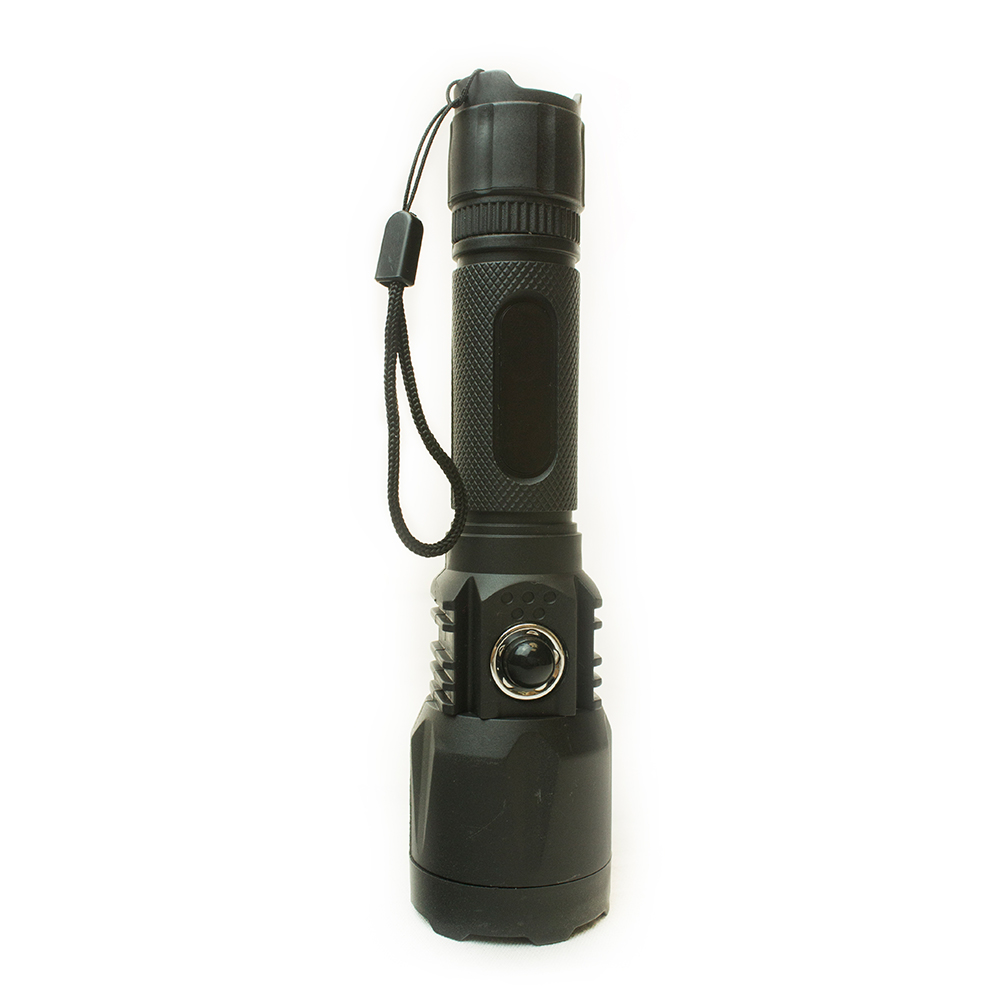

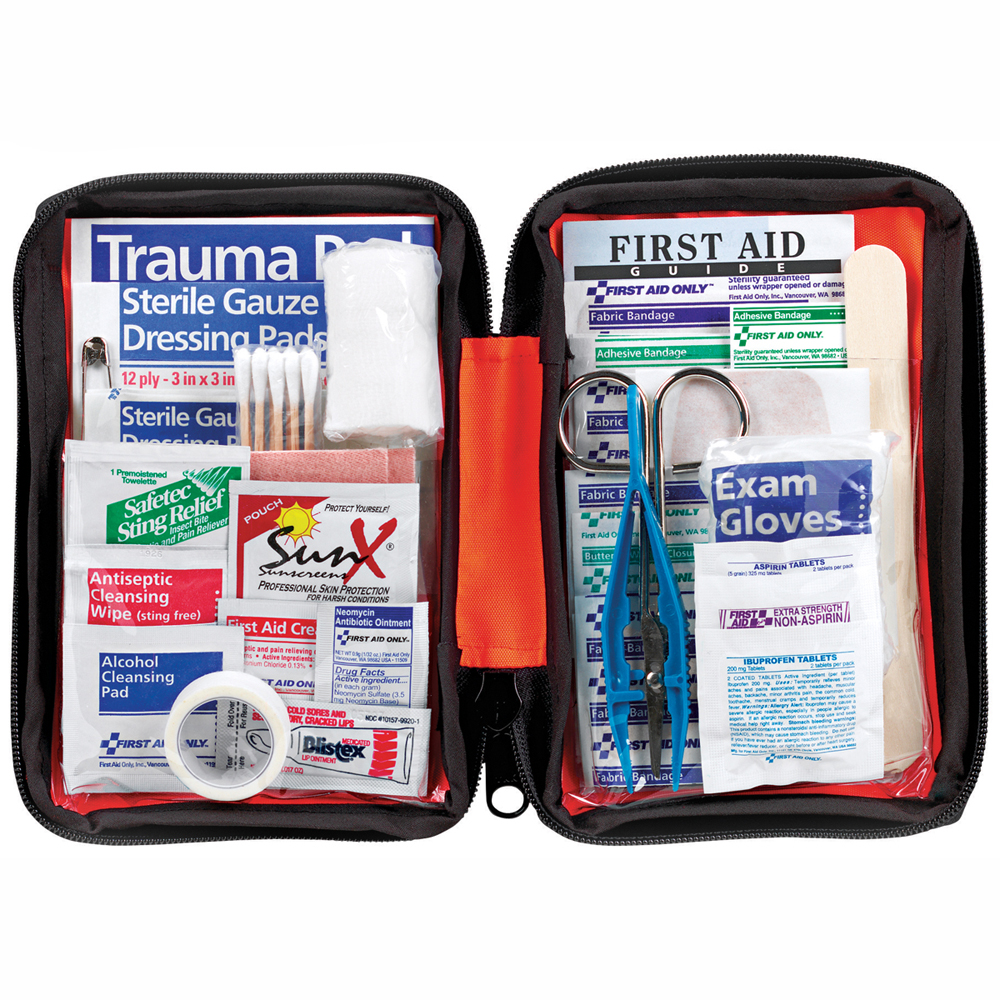
Add first aid and off-grid light.
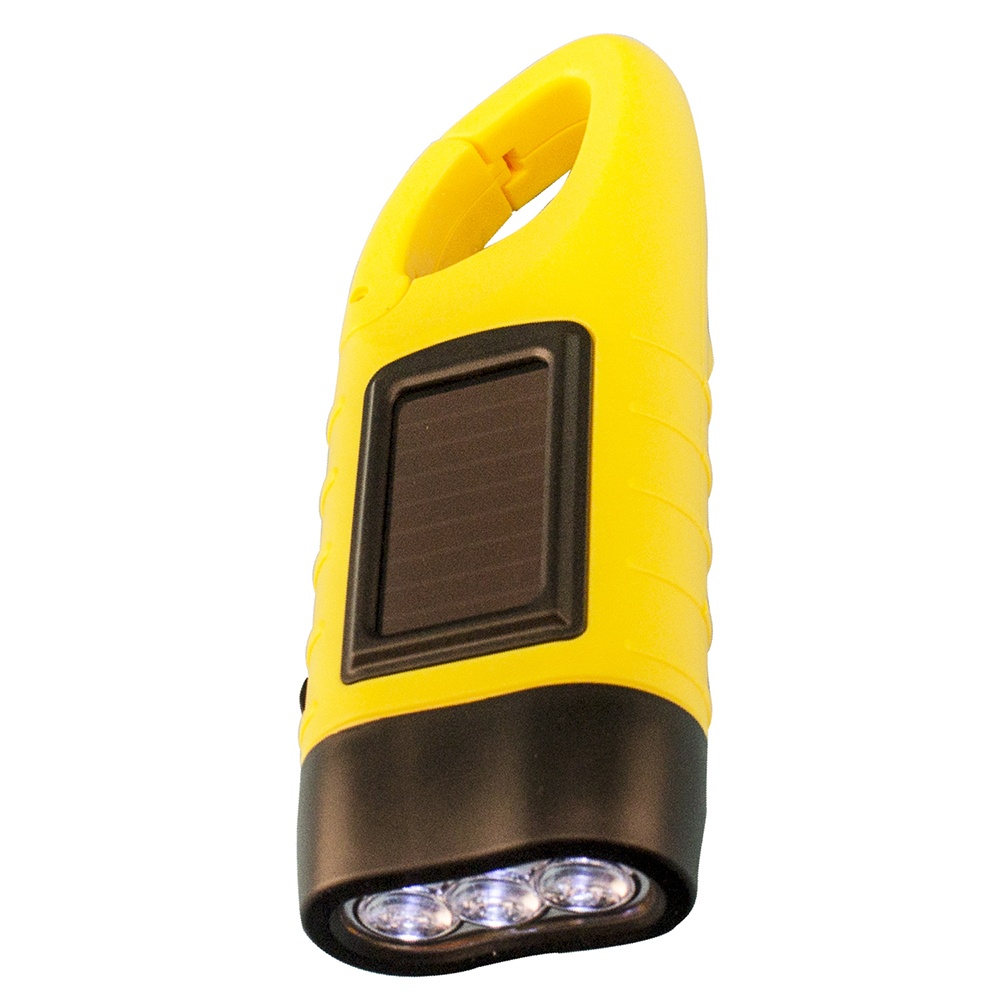
These two additions strengthen the kit without jumping immediately to premium equipment. Personal prescriptions, training, and household medical needs still require their own plan.
Add a portable water container—but store the water now.
Coghlan’s Expandable Water Carrier adds two gallons of carrying capacity for $28.99. The CDC recommends storing at least one gallon per person per day for three days. An empty carrier and a filter do not replace a safe stored supply.
View water carrierFinish the household plan.
Use what you already own before buying duplicates, then fill the gaps below.
Water & food
- Three days of safe stored water for every person and pet
- Three days of food your household can prepare without normal utilities
- Manual can opener and basic utensils when needed
Health & hygiene
- Necessary prescriptions and medical supplies
- Personal hygiene, masks, trash bags, and sanitation supplies
- Infant, older-adult, disability, and pet needs
Information & documents
- Battery or hand-crank radio that receives NOAA alerts
- Written contacts, local maps, and household meeting plan
- Identification and essential records in a waterproof pouch
Shop the complete budget shelf.
Compare every low-cost product in one place, or use the full checklist to personalize the kit for your household.
Official references.
This guide provides general educational information. Follow current local emergency, evacuation, health, food-safety, and water instructions for the actual event.